Tablets Are Hurting Your Toddler—What to Give Him Instead
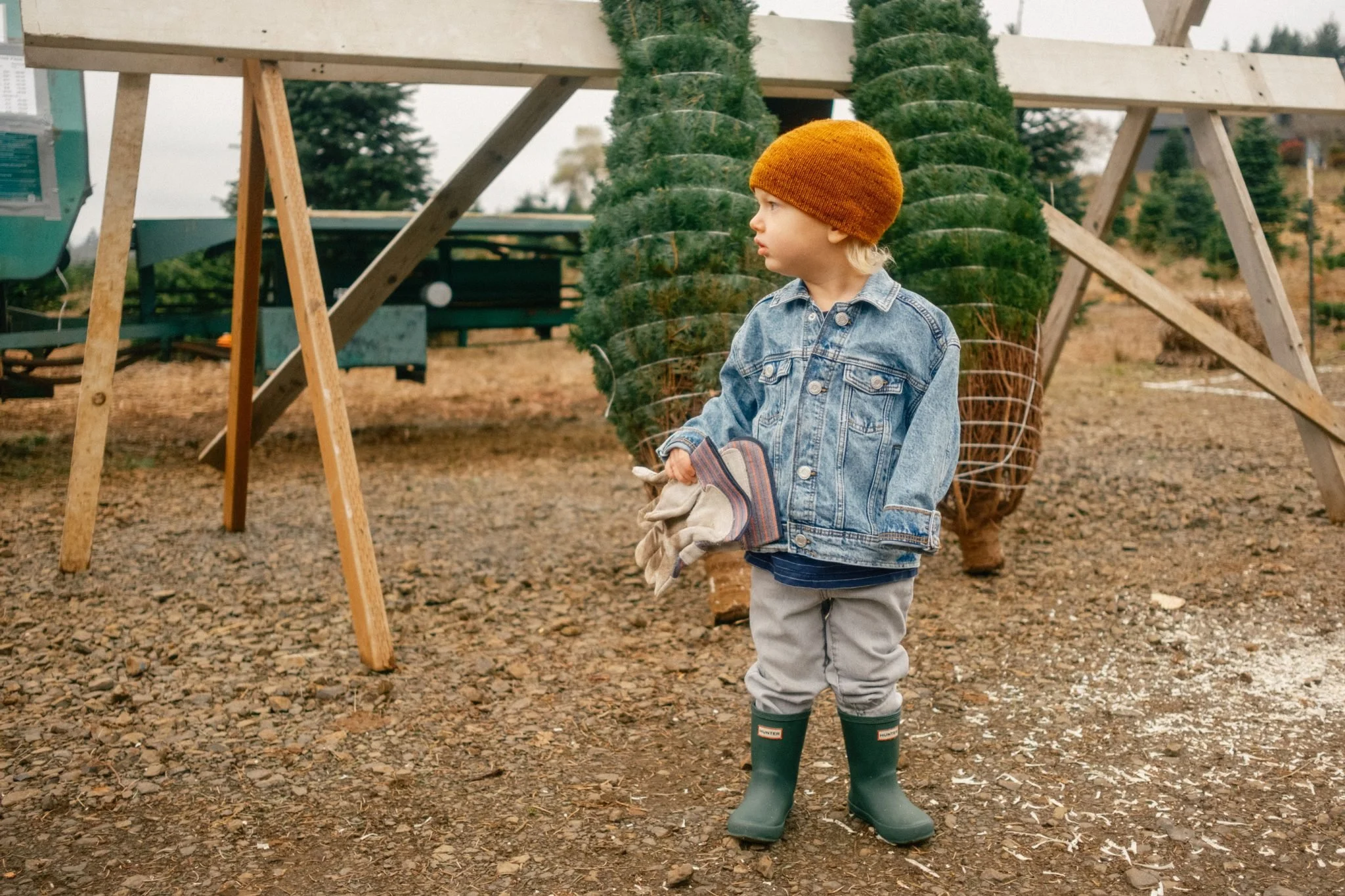
Tablets may be an easy way to keep toddlers entertained, but they’re a terrible substitute for real-world experiences and exploration.
Being a toddler is all about exploring the world and learning about it through all the senses. Rain is wet, the ground is hard, the sky is pretty, some flowers smell nice, bugs are everywhere, and dirt tastes funny—these are all things a toddler learns through experience. As silly as they may seem, these are important discoveries for toddlers, and they help them understand the world around them.
This may not be nice to read, but the reality is when you hand a toddler an iPad (or other tablet) to keep them entertained so you can “get some work done” or “have a rest” or “survive the grocery shopping trip,” you’re actually making their development process more challenging. The fast-paced nature of digital content overstimulates young children and makes it harder for them to focus on slower, real-world activities. This leads to shorter attention spans, increased restlessness, emotional outbursts, and other negative outcomes.
It may just be “one car ride,” but the reality is that tablets “work.” You hand one to a toddler and all of a sudden they’re quiet and “focused” and you’re free to do whatever you want without interruption. That can make it incredibly difficult to keep the tablet from becoming the new normal. And once you’ve started the habit, it’s very hard to break—both for you and the toddler.
So what do you do? How can you keep your toddler entertained without resorting to electronics?
It’s actually fairly simple—not necessarily easy, but simple.
Instead of handing your toddler a tablet, hand them a magnifying glass or a pair of binoculars or a crayon and a piece of paper or a ball to kick around—give him something that makes him a participant, not just a spectator.
Encourage your toddler to spend time exploring.
Be okay with him getting bored and complaining. Realize that being bored and upset is temporary. Children learn to entertain themselves by being given the time and space to do so. Interrupting this process with electronics will make your toddler rely more and more on external stimuli to stay entertained.
Frustration is part of learning. Electronics provide instant gratification, which reduces a toddler’s development of patience and perseverance. Emotional resilience takes time to build. Give your child time.
An important point to keep in mind is that how you approach the world will influence how your toddler does. If you’re always checking your phone, your toddler will want to do the same. If you grumble about being bored, your toddler will likely follow suit.
If you talk about going outside on an adventure, even if you’re just taking out the trash, don’t be surprised if your toddler asks to join you.
Childhood isn’t meant to be quiet, peaceful, and perfectly organized. It’s supposed to be loud, messy, full of curiosity and exploration. Tablets and other electronics may keep a toddler occupied, but in reality they’re a trap. They pretend to help your child learn and grow while actually hindering their social, emotional, and physical development. No matter how flashy the advertisement for the latest and greatest “learning” application or YouTube series, remember that nothing can replace the importance of learning about the world by experiencing it.
Keeping a toddler entertained without screens takes more effort. It requires patience, tolerance, and a willingness to let them be uncomfortable, bored, or upset. But the rewards are very, very real. A child who learns to entertain himself without needing constant stimulation and who can find joy in the real world will grow into someone who’s prepared to face the real world with independence and curiosity.
The best way to help your toddler explore the world and find entertainment in all that is real is through leading by example. If you show interest in sticks and rocks and puddles and bugs, if you show excitement at everyday adventures like grocery shopping and taking out the trash and cleaning up the house, if you talk about the outdoors as a place that’s truly great, your toddler will start to see the world the same way.
So, the next time your toddler says he’s bored and you reach for the iPad, stop. Hand him something real instead. Hand him a stick, a ball, a handful of leaves—something he can touch, hold, look at and wonder about. It may not make the next ten minutes easier, but it will make the next ten years much more enjoyable.
For guidance on family screen time, feel free to browse our full recommendations.